Maintaining Your Decoys for Years of Use
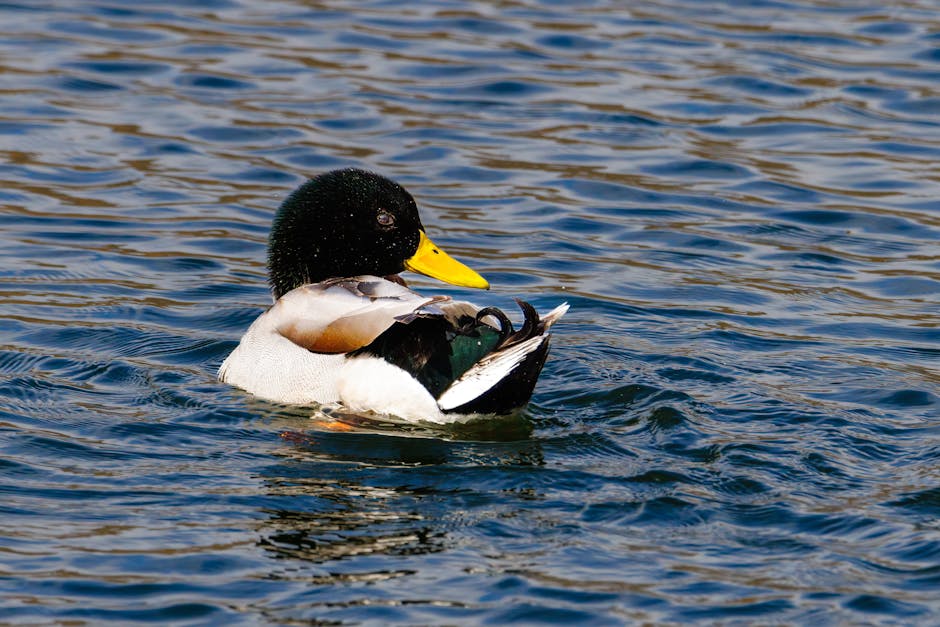
Your decoy investment requires regular maintenance to remain effective and last for many years. Neglected decoys deteriorate quickly and become less attractive to passing birds.
Cleaning After Use is the first maintenance step. After each outing, rinse decoys with fresh water to remove algae, mud, and debris. Use a soft brush to gently clean surfaces without damaging paint. Dry them thoroughly before storage to prevent mould growth and water damage.
Paint Maintenance keeps decoys looking natural. Inspect paint condition regularly, particularly around the head and neck where wear is most visible. Small touch-ups with quality decoy paint prevent larger deterioration. For worn decoys, consider a complete repaint every few years, especially if used frequently.
Crack and Damage Repair should be addressed promptly. Cracks in plastic or foam allow water penetration, compromising buoyancy and causing structural failure. Use appropriate repair materials for your decoy type. Plastic decoys need plastic repair compounds, while foam decoys require foam-compatible sealers.
Anchor Maintenance is often overlooked but essential. Inspect anchors and lines regularly for rust, fraying, or damage. Replace worn rope and clean metal anchors. Corroded anchors fail unexpectedly and can result in lost decoys.
Storage Conditions significantly impact decoy longevity. Store in a cool, dry location away from direct sunlight, which fades paint and degrades materials. Avoid damp sheds or cellars where moisture causes mould and deterioration. Organised storage prevents damage during handling and makes inventory management easier.
Seasonal Inspection before the shooting season catches problems early. Check all decoys for damage, ensure anchors are secure, and verify paint condition. Replace any decoys that are beyond economical repair. A thorough pre-season check prevents frustration during shooting.
Transport Protection prevents damage during travel. Use padded bags or purpose-built decoy transport boxes to protect decoys from bumps and scratches. Careful handling during loading and unloading reduces unnecessary damage.
Replacement Schedule varies depending on use frequency and care quality. Well-maintained decoys typically last 5-10 years or longer. Heavily used spreads may need refreshing sooner. Budget for gradual replacement rather than replacing entire spreads at once.
Quality maintenance is an investment in performance and cost-effectiveness. Well-cared-for decoys attract more birds and provide better value over their lifetime than neglected alternatives.